


Beyond the ICU: A Case Study in Pediatric Recovery

In Kenya, a single medical emergency can tip the balance between stability and total destitution for many families.
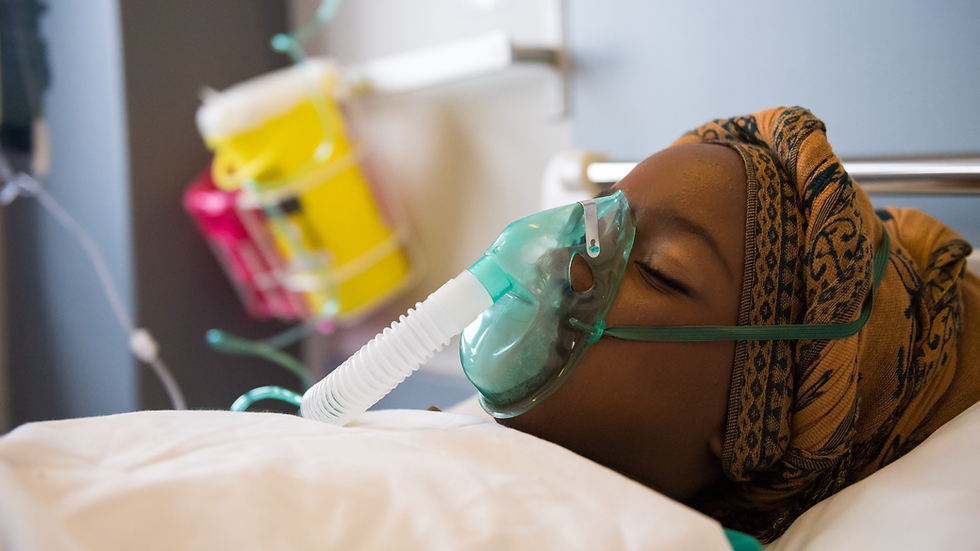
According to the 2025/26 Health Sector Report and the KNBS 2025 Economic Survey, catastrophic health expenditures push over a million Kenyans into poverty each year.
Despite the rollout of the Social Health Authority (SHA), the high costs of specialized referrals and long-term rehabilitation remain significant challenges.

Stephen’s story illustrates this issue vividly. For this 8-year-old, a life-saving stay in the ICU became the catalyst for his family’s economic and social collapse.
The Anatomy of a Compounding Crisis
When Stephen fell ill in 2025, it wasn't just his health that deteriorated; his family's entire support system crumbled under the pressure.
The Clinical Aftermath: While the ICU saved Stephen's life, he emerged with partial blindness and severe neurological motor delays. He had survived, but he could no longer see his mother’s face or stand on his own.
The Caregiver’s Tax & Job Loss: Stephen required 24/7 monitoring, which meant his mother could not work. In the informal labor market, there is no paid leave. She lost her job, and their income vanished overnight.
The Eviction Cycle: With no income and mounting medical costs, rent became an insurmountable hurdle. The family was evicted while Stephen was still recovering, too weak to sit upright.
A Family Fragmented: To survive, the family had to split up. Older siblings were sent to different well-wishers, while Stephen and his mother sought temporary shelter with a relative.
The Intervention: Rebuilding the Foundation
In August 2025, the Children's Health Program (CHEP) stepped in to halt this downward spiral. Our strategy focused on systematic stabilization:
Nutritional Rehabilitation: Malnutrition is the greatest enemy of neurological recovery. In January 2026, Stephen weighed a fragile 18kg. Through targeted nutritional support, he reached 24kg by March, marking a 33% increase in body mass that provided the fuel his brain and muscles needed to heal.
Economic Restoration: Healing Stephen required healing his family's future. We facilitated a full scholarship for Stephen’s eldest sister at Kimlea College. By empowering her to become a hospitality professional, we are creating a permanent path out of the poverty trap for the entire household.
Witnessing the Progress
This video captures the essence of what happens when we refuse to let a family reach their breaking point. Stephen is no longer just a survivor of the ICU; he is a child reclaiming his life.
The Urgency: The Unfinished Chapter
Stephen’s recent visit to the Kimlea Clinic was a celebration, but our work is far from complete. His vision recovery at Lions SightFirst Eye Hospital requires long-term, specialized follow-ups.
Additionally, our recent outreach at Limuru Mission School identified more students trapped in similar Referral Gaps. These children have urgent diagnoses but lack the means to pay for the transport, scans, or therapy they need for recovery.
Don’t let these families break.
Join us in this push to bridge the gap between crisis and recovery.
The Path Forward
As we look ahead, it’s vital to understand the broader implications of health crises in our communities.
Community Support Systems
Building strong community support systems is essential. When families face medical emergencies, they often need more than just financial assistance. They require emotional and social support.
Education and Awareness
Raising awareness about health issues can empower families to seek help before a crisis occurs. Education about preventive health measures can save lives and reduce the financial burden on families.
Advocacy for Policy Change
We must advocate for policy changes that ensure affordable healthcare for all. This includes pushing for better access to medical services and financial support for families in need.
Conclusion
In conclusion, the journey of families like Stephen's highlights the urgent need for comprehensive support systems. Together, we can create a future where no family has to face the devastating impact of a medical emergency alone.
Let’s work together to ensure that every child has the opportunity to thrive. Your support can make a difference.


Comments